
|
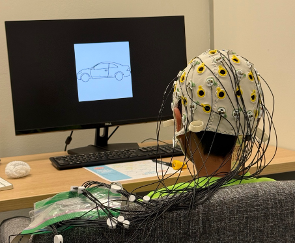
Research has increasingly recognized the negative impact of poor classroom acoustics on children’s learning, particularly in lower-income schools where these issues are more prevalent. Despite voluntary standards set by the American National Standards Institute (ANSI), noise levels in classrooms often exceed recommendations, contributing to difficulties in speech perception, literacy, attention, memory, and overall cognitive development. Current studies have focused primarily on external noise sources, such as traffic or aircraft, but there is a critical need to examine the internal classroom environment, as this is more intimately tied to children’s learning opportunities. The current study aims to examine how the acoustics of children’s built environments, such as their classrooms, impacts literacy and cognitive development. To address this overarching goal, we proposed to collect acoustic measurements of classrooms in South LA and examine if there is an association between classroom acoustics and student achievement (as aggregated classroom scores provided by school administrators). We also proposed to collect EEG data from a subset of school-aged children to determine how ambient noise present in classrooms impacts their ability to attend to information, learn new words, and comprehend speech. At this time, we have successfully secured approval from 4 schools in South LA to collect acoustic measurements and classroom aggregates of achievement, secured IRB approval for both aims, and designed all EEG studies/materials for participants.


Community Collaborators:
Other Team Members: